
Gallery

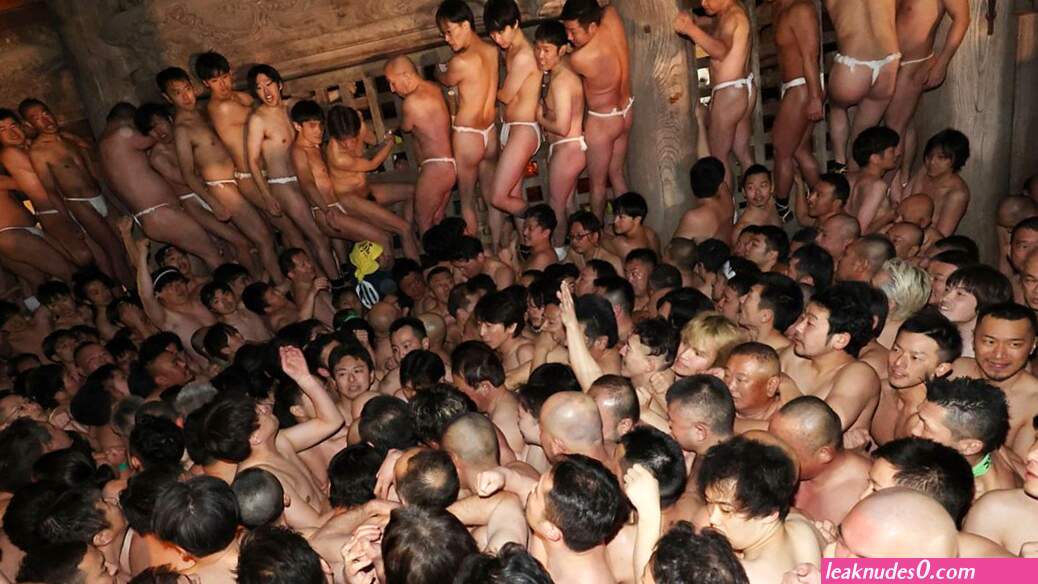
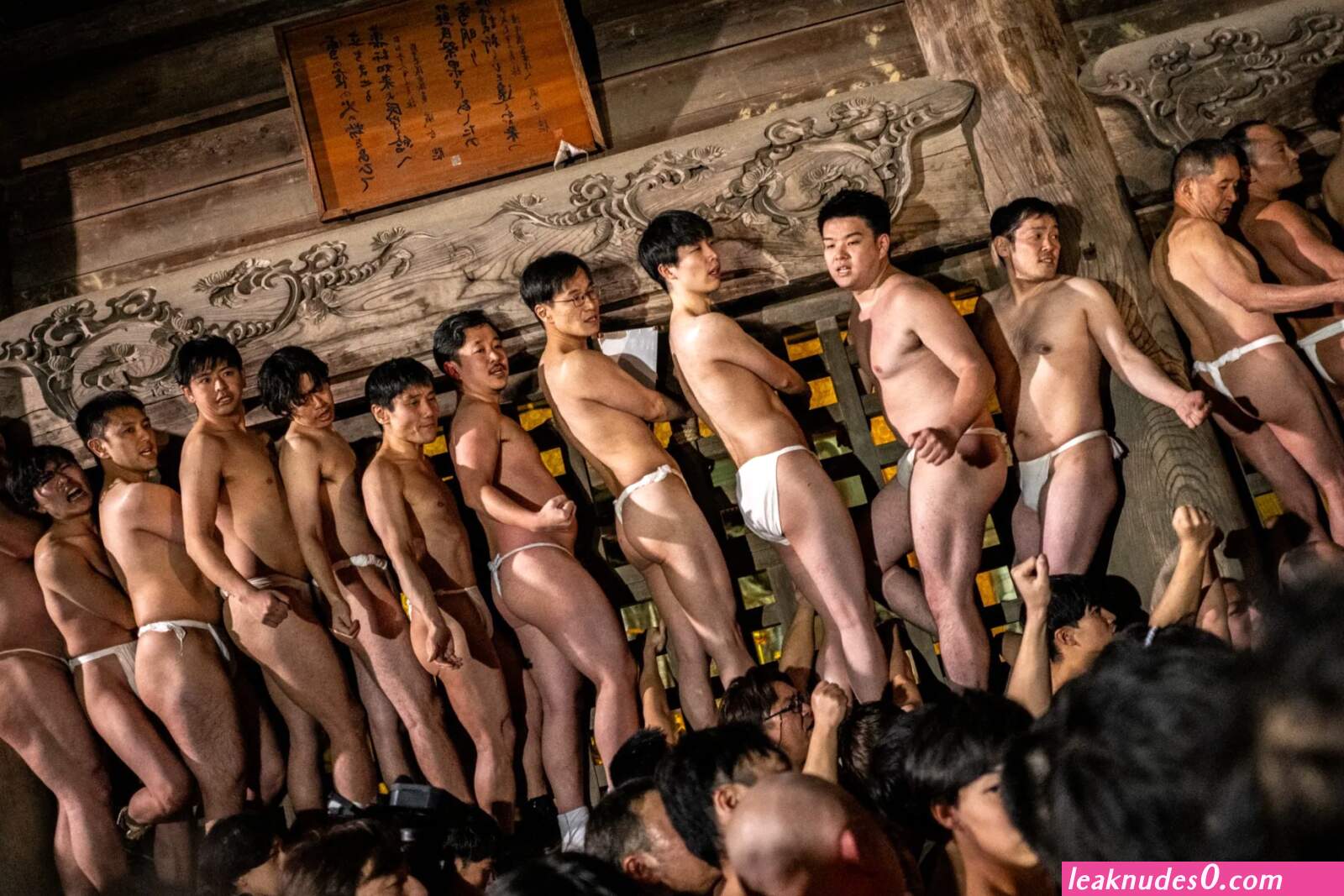
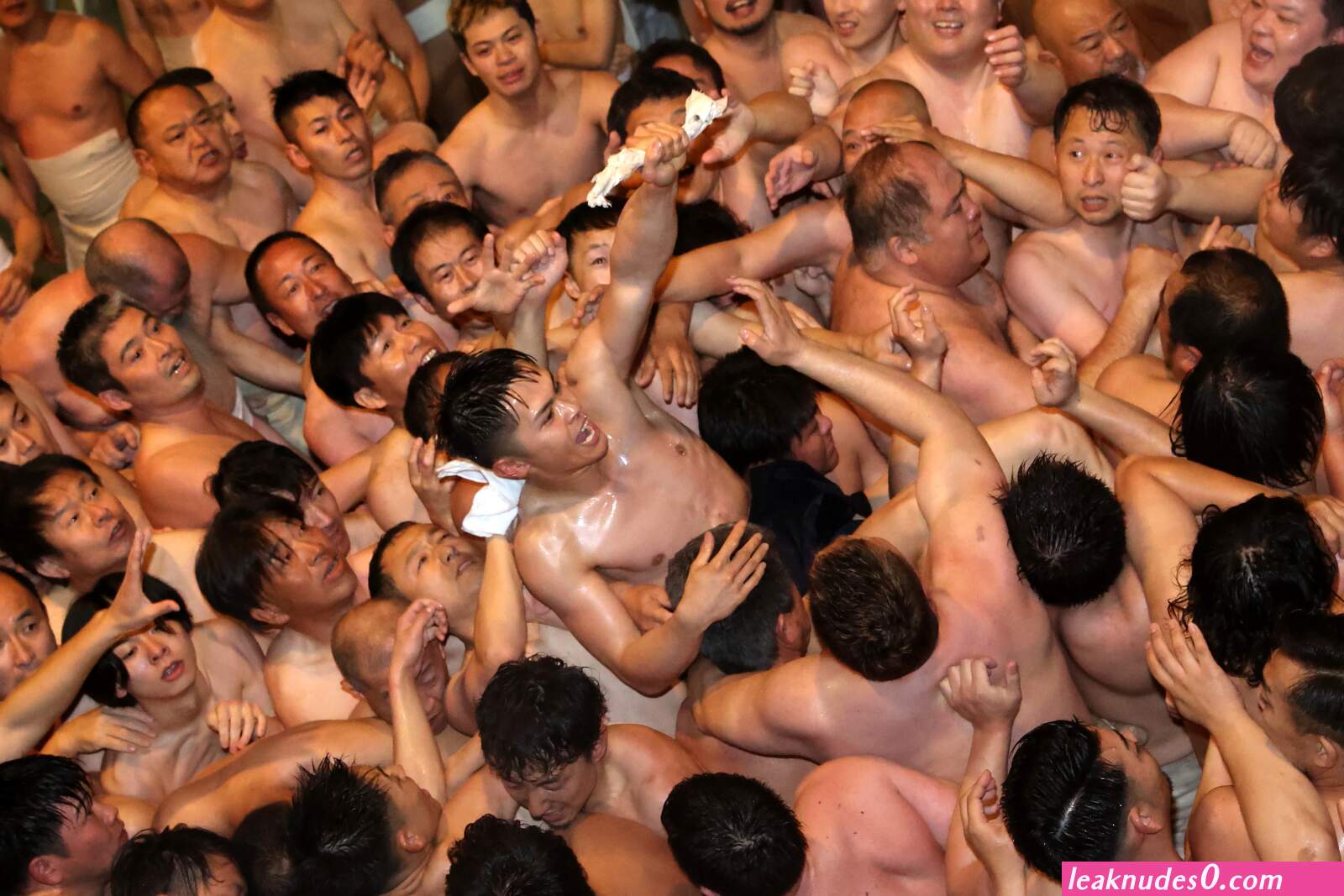
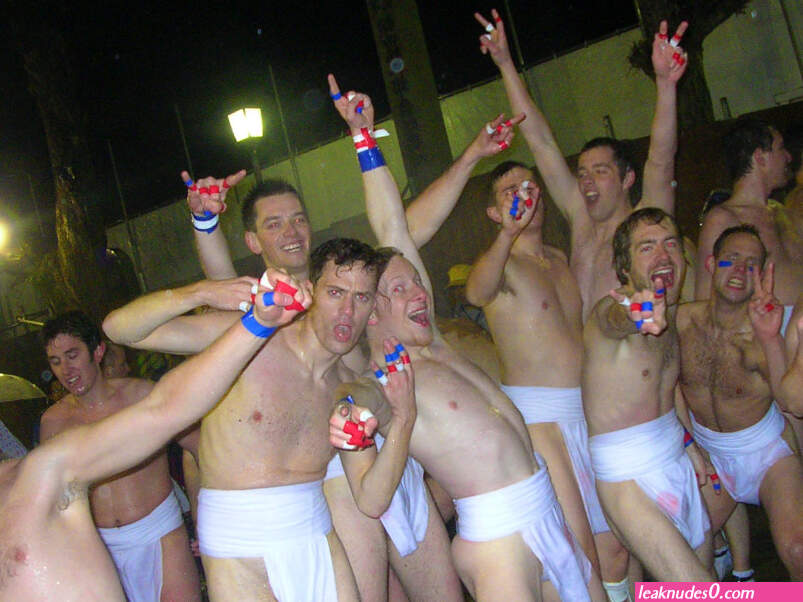
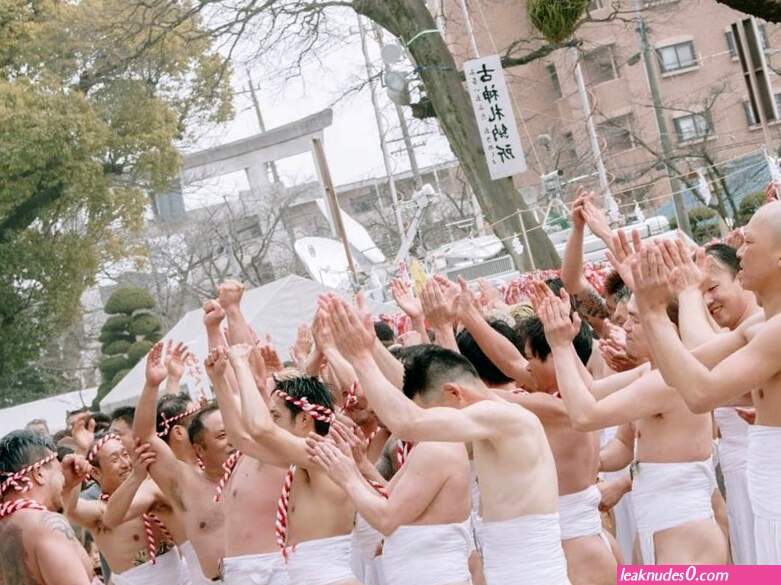
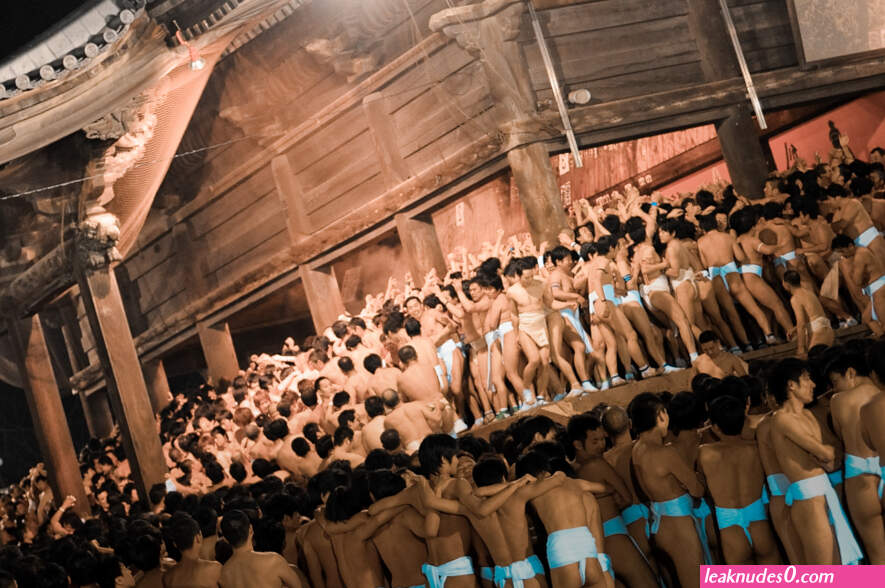

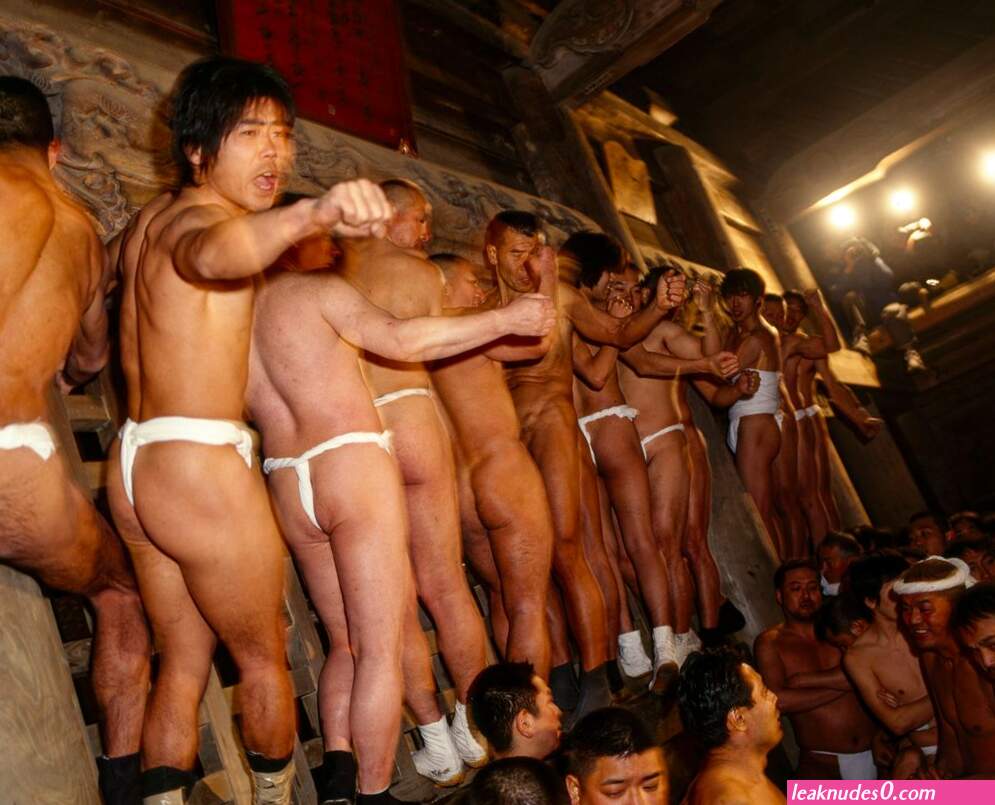
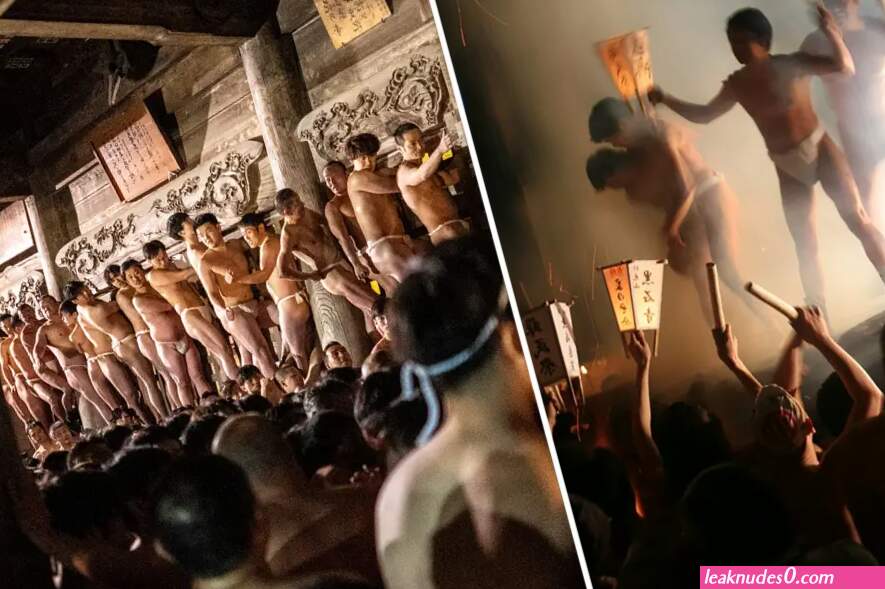
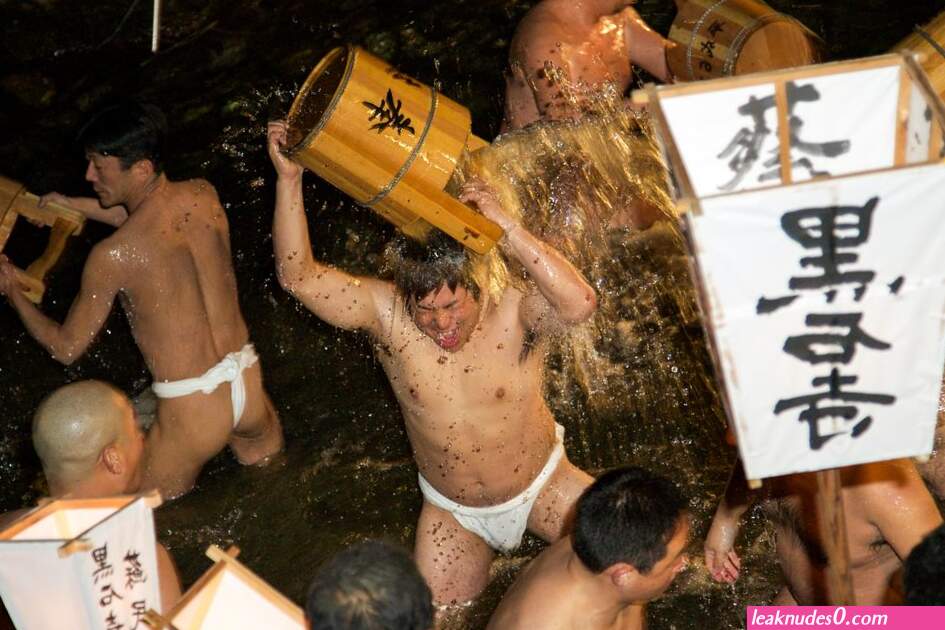
The event became known as the naked festival because male participants only wear a Japanese loincloth called a “fundoshi” and a pair of white socks called “tabi.”
Japan’s millennia-old ‘naked man festival’ ending because of population decline
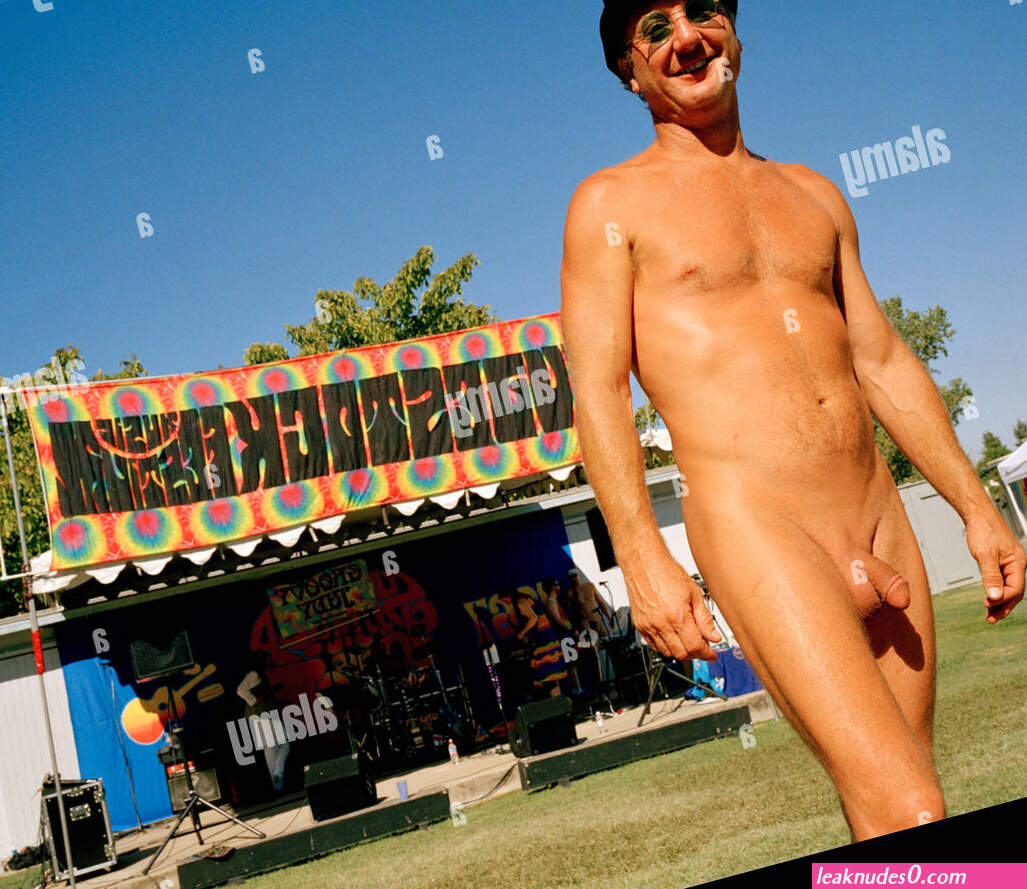
***EDITORS NOTE – NUDITY*** The traditional, annually ‘Naked Run’ at the Roskilde Music Festival, Saturday July 7th. 2012. PHOTOGRAPHER JENS PANDURO / POLFOTO
The history of the naked festival dates back to the Muromachi period (about the mid-1330s to mid-1570s). On the Lunar New Year, the temple would hold a Buddhist service called “shuseikai” to pray for peace and a good harvest.
“5,000 people go on this floor alone every year,” explained Priest Hiroya Tsuboi, 44, pointing to a room approximately fifteen meters in length and nine meters in width. The venue of the naked festival is in the main hall of Saidaiji Kannonin Temple. The highlight of the festival is its peculiar energy generated by the multitudes of men in loincloths competing for good fortune talismans in such close contact, described as “one man per masu (approximately 110 square inches).”